What is the Scheme? 🤔
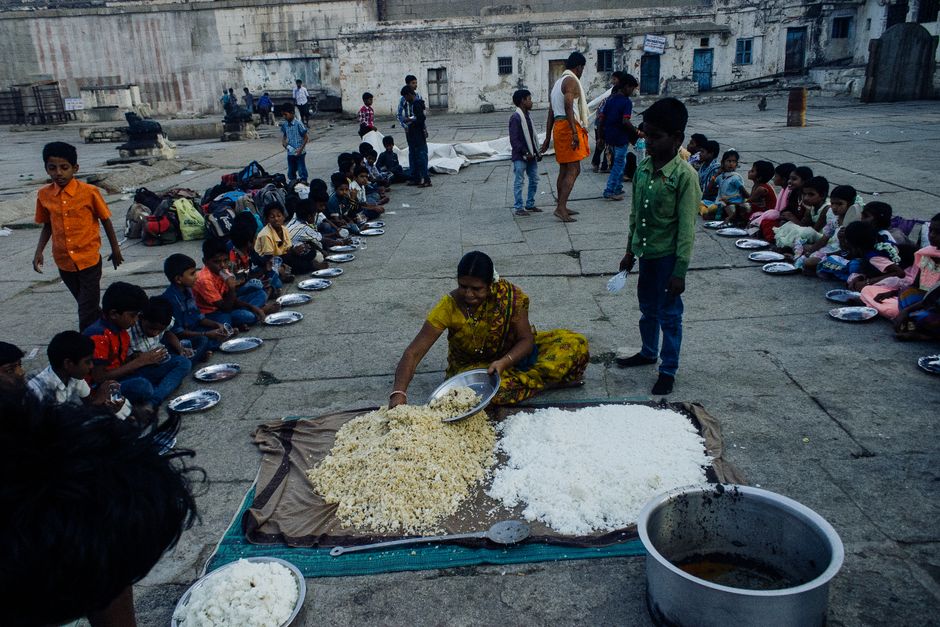
The Pradhan Mantri Garib Kalyan Anna Yojana (PMGKAY) is a central government yojana launched by the Ministry of Finance. It is part of the ₹1.70 lakh crore package announced by the central government to help the poor during the COVID-19 pandemic 🤑. The yojana is implemented by the Department of Food and Public Distribution, Ministry of Consumer Affairs, Food and Public Distribution 🏢. The main purpose of PMGKAY is to provide free food grains to the poor, especially migrant workers and daily wage earners, who are struggling to make ends meet due to the pandemic 🌎. The yojana is a significant step towards ensuring that no one goes hungry during these difficult times 🍞
Why This Matters 🌟
The Pradhan Mantri Garib Kalyan Anna Yojana (PMGKAY) matters because it provides direct financial assistance to the poor, who are the most vulnerable section of society 🌎. The yojana helps to ensure that the poor have access to food, which is a basic necessity 🍞. It also helps to reduce poverty and hunger, which are major challenges facing India 🌈. The yojana is a significant step towards achieving the Sustainable Development Goals (SDGs), particularly Goal 1 (No Poverty) and Goal 2 (Zero Hunger) 🌟. By providing free food grains, the yojana helps to reduce the financial burden on the poor, who can then use their limited resources for other essential expenses, such as healthcare and education 📚
Key Benefits 🤑
The Pradhan Mantri Garib Kalyan Anna Yojana (PMGKAY) provides several key benefits to the poor, including 📝: free food grains, which are distributed through the Public Distribution System (PDS) 🌾. The yojana provides 5 kg of food grains per person per month, which includes 3.5 kg of wheat and 1.5 kg of rice 🍚. The yojana also provides pulses, such as chana, moong, and urad, to the poor 🌽. The benefits of the yojana are not limited to just food grains, but also include other essential commodities, such as sugar and oil 🍞
Who Can Apply? 🤔
The Pradhan Mantri Garib Kalyan Anna Yojana (PMGKAY) is targeted towards beneficiaries of Direct Benefit Transfer (DBT) under the yojana 📈. The eligibility criteria for the yojana are as follows 📝: the beneficiary must be a citizen of India 🇮🇳. The beneficiary must be a poor person, who is struggling to make ends meet due to the pandemic 🌎. The beneficiary must have a ration card, which is issued by the state government 📝. The beneficiary must have a bank account, which is linked to their Aadhaar card 📊
Selection / Approval Process 📊
The selection and approval process for the Pradhan Mantri Garib Kalyan Anna Yojana (PMGKAY) is as follows 📝: the state government identifies the eligible beneficiaries, who are then added to the list of beneficiaries 📈. The list of beneficiaries is then verified by the central government, which ensures that only eligible beneficiaries receive the benefits 📊. The benefits are then transferred directly to the bank account of the beneficiary, using the DBT system 📈
Documents Required 📝
The following documents are required to apply for the Pradhan Mantri Garib Kalyan Anna Yojana (PMGKAY) 📝: ration card, which is issued by the state government 📊. Aadhaar card, which is linked to the bank account 📈. Bank account details, which are used to transfer the benefits 📊. Other documents, such as income certificate and residence proof, may also be required 📝
How to Apply — Complete Step-by-Step Process 📈
The application process for the Pradhan Mantri Garib Kalyan Anna Yojana (PMGKAY) is as follows 📝: step 1: check eligibility, which can be done by visiting the official website of the yojana 📊. Step 2: gather required documents, which include ration card, Aadhaar card, and bank account details 📝. Step 3: apply online, which can be done by visiting the official website of the yojana 📈. Step 4: fill in the application form, which requires basic details, such as name, address, and bank account details 📝. Step 5: submit the application form, which can be done by clicking on the submit button 📈
Common Mistakes That Cause Rejection 🚫
The following are some common mistakes that can cause rejection of the application 📝: incorrect or incomplete information, which can lead to rejection of the application 📊. Failure to provide required documents, which can lead to rejection of the application 📝. Ineligibility, which can lead to rejection of the application 🚫. Multiple applications, which can lead to rejection of the application 📈
What You Won't Get 🚫
The Pradhan Mantri Garib Kalyan Anna Yojana (PMGKAY) has some limitations, which are as follows 📝: the yojana only provides free food grains, which may not be sufficient to meet the nutritional needs of the beneficiary 🍞. The yojana does not provide any cash benefits, which can limit the flexibility of the beneficiary 📊. The yojana is only available to beneficiaries who have a ration card, which can limit the reach of the yojana 📈
Official Resources 📊
The official resources for the Pradhan Mantri Garib Kalyan Anna Yojana (PMGKAY) are as follows 📝: official website: https://pib.gov.in/ 📈. Toll-free number: 1800 345 0100 📞. Email: [anna.yojana@gov.in](mailto:anna.yojana@gov.in) 📧. The official resources provide detailed information about the yojana, including eligibility, benefits, and application process 📊