What is the Scheme?
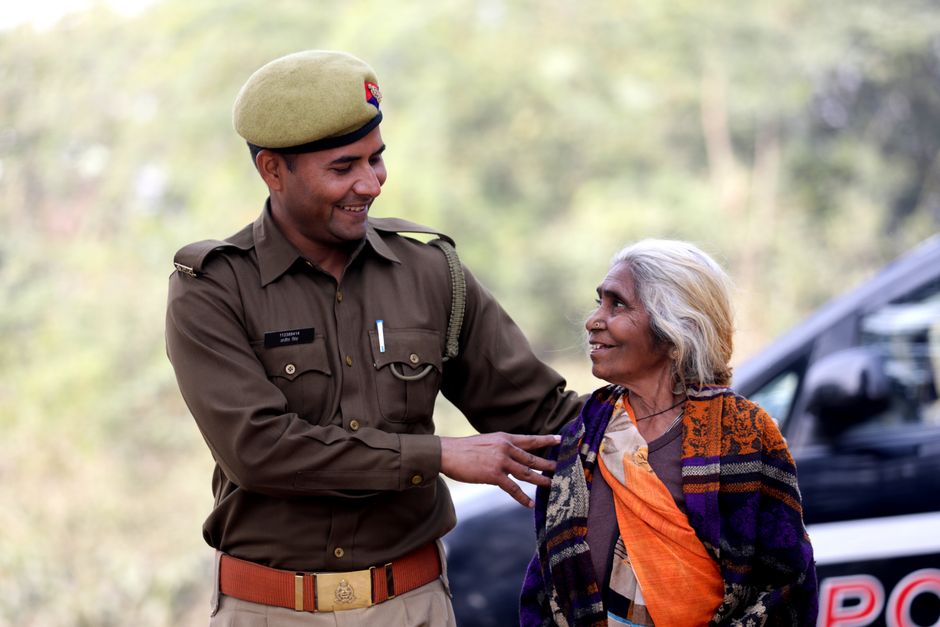
Direct Benefit Transfer (DBT) is a government initiative in India. Its main purpose is to send cash benefits directly to citizens. This process reduces the middlemen. It ensures that the money reaches the right people. The Ministry of Finance oversees this scheme. The government started DBT to make welfare schemes more efficient. It helps in reducing corruption and delays. Instead of waiting for cash or cheques, the money goes straight to your bank. This is a step towards a transparent and accountable system. Also, it strengthens the trust between the government and citizens.
Why This Matters
Direct Benefit Transfer matters a lot. It impacts millions of lives across India. Many people depend on government schemes for financial support. With DBT, they receive help quickly. This is especially vital for poor families and marginalized communities. It helps them meet daily needs like food, education, and healthcare. Imagine waiting for days to get your benefits. With DBT, that wait is over. Families can now manage their finances better. Moreover, it reduces the chances of fraud. This scheme builds a sense of financial security. It empowers people to invest in their future. This is why DBT is crucial for many citizens.
Key Benefits
The key benefits of Direct Benefit Transfer are significant. First, you get cash directly in your bank account. This means no more delays and no middlemen. For many schemes, the transfer amount can be substantial. For example, subsidies for cooking gas can reach ₹200-₹300 directly. Other schemes may offer ₹500-₹2000, depending on the program. This cash can help families with essential expenses. It brings financial relief where it’s needed the most. Additionally, it encourages more people to open bank accounts. This is a step towards financial inclusion. Overall, DBT makes life easier and ensures that benefits reach you without hassle.
Who Can Apply?
Eligibility for Direct Benefit Transfer varies by scheme. However, there are some common criteria. You typically need to be an Indian citizen. There are no strict age limits. Your income does not always restrict you from applying. The best part? Most government schemes are open to everyone. It's crucial to check the specific scheme you are interested in. Each program may have its own rules. However, the intent is to help as many people as possible. Always ensure that you meet the basic requirements before applying.
Selection / Approval Process
The selection process for Direct Benefit Transfer is straightforward. First, you need to identify the specific scheme you want to apply for. Once you apply, the government checks your eligibility. They verify your documents and information. If everything is in order, your application gets approved. The money is then transferred directly to your bank account. This process is designed to be quick and efficient. It ensures that deserving candidates receive their benefits without unnecessary delays. Remember to keep track of your application status. This way, you will know when to expect your funds.
Documents Required
When applying for Direct Benefit Transfer, you need a few important documents. Make sure you have the following ready: 1. Identity proof (like Aadhar card or passport) 2. Address proof (like utility bill or rent agreement) 3. Income proof (like salary slips or bank statements) Having these documents handy will make your application process smoother. Always ensure that your documents are valid and up-to-date. This helps in avoiding any delays in your application.
How to Apply — Complete Step-by-Step Process
Applying for Direct Benefit Transfer is easy. Here’s a simple step-by-step guide to help you: Step 1: Identify the specific scheme you want to apply for. The DBT covers various programs, so pick the one that suits you. Step 2: Check the eligibility requirements for that scheme. Make sure you meet the criteria before applying. Step 3: Gather all the necessary documents. This includes identity proof, address proof, and income proof. Step 4: Visit the official government portal for the scheme. Fill out the application form online. Step 5: Submit your application along with the required documents. Step 6: Keep track of your application status. You can check if your application is approved and when to expect your funds. Following these steps will ensure a smooth application experience.
Common Mistakes That Cause Rejection
Many applicants face rejection due to simple mistakes. Here are some common ones: 1. Incorrect or incomplete documentation: Make sure all your papers are complete and valid. 2. Not checking eligibility: Always confirm if you meet the eligibility criteria for the specific scheme. 3. Failing to provide accurate information: Ensure that all details filled in the application match your documents. 4. Missing deadlines: Keep an eye on application deadlines to avoid missing out. 5. Not tracking application status: Make sure you regularly check the status of your application. This way, you can address any issues quickly. Avoiding these mistakes will increase your chances of approval.
What You Won't Get
While Direct Benefit Transfer is beneficial, there are limitations. First, not all schemes may be available in every state or district. Some benefits are specific to certain programs. Second, DBT does not cover non-cash benefits, such as food grains or housing. Lastly, if you do not meet the eligibility criteria, you won't receive any assistance. It's essential to understand these limitations to manage your expectations. Always check the specifics of the scheme you are applying for.
Official Resources
For more information and to apply for Direct Benefit Transfer, visit the official government portal. You can find all the details you need here: https://www.india.gov.in/spotlight/direct-benefit-transfer. This site provides updates, application forms, and further assistance.